




Traffic and Radar Cameras in Dubai - Complete Guide


Key takeaways
- Why Dubai Has the Most Advanced Traffic Camera System in the World
- Types of Traffic & Radar Cameras in Dubai
- Updated Speed Limits in Dubai (2025)
- Complete List of Fines Related to Camera Violations
- How Radar Cameras Work in Dubai
- Where Are the Most Active Cameras Located in Dubai?
- Driving Tips for Tourists in Dubai
- Dubai Police AI Enforcement - The Future of Traffic Monitoring
- Conclusion - Why Dubai’s Roads Are Among the Safest in the World
- FAQ
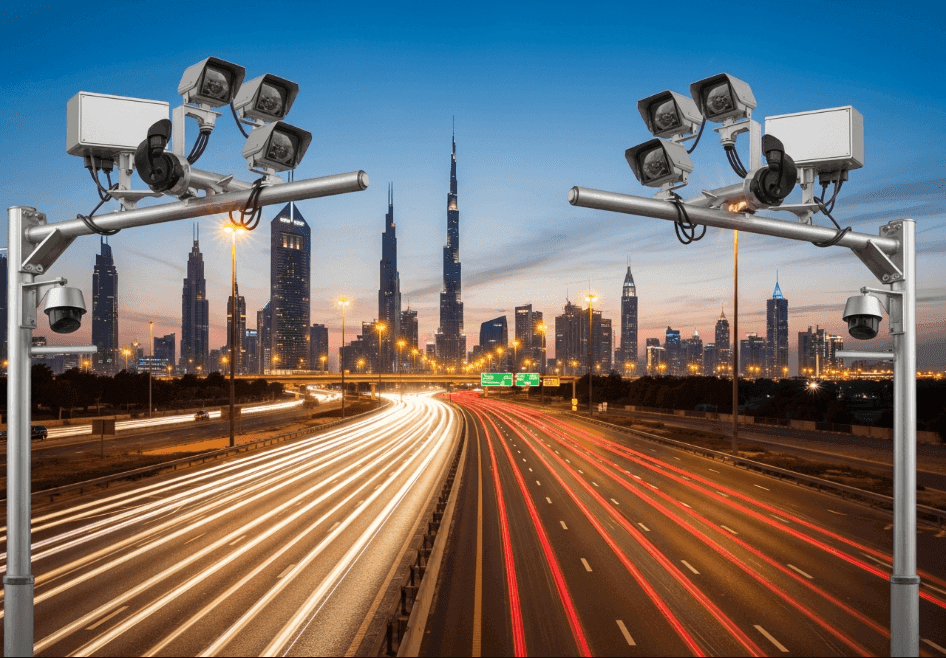
Driving on Dubai's multi-lane, smooth roads is a one-of-a-kind experience that is very safe. One key factor is the city’s investment in one of the world’s most sophisticated and complete traffic enforcement networks. There is an abundance of Dubai traffic cameras and radars. The aim is not to penalize, but to change the behavior of drivers in the interest of safety and smooth traffic. It is evident that residents and visitors must be acquainted with this sophisticated system for a smooth and fine-free drive.
This is a complete overview of the traffic and radar camera system in Dubai for 2025. The working philosophy of the traffic camera system will be discussed. Additionally, we will look at the kind of cameras you will encounter and detail the speed limits and fines that are in force. Ultimately, we will share tips for tourists who drive in the emirate. With this knowledge, you may savor the freedom of the road with confidence, whether for business or for pleasure.
Why Dubai Has the Most Advanced Traffic Camera System in the World
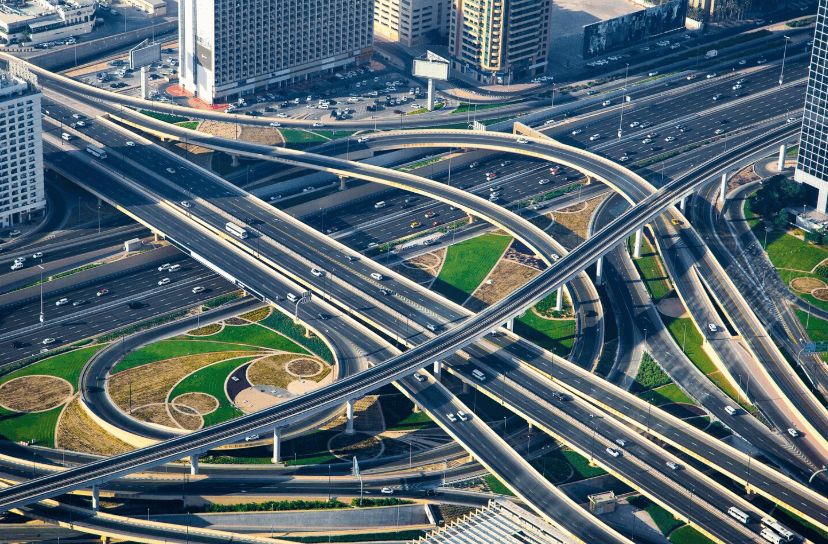
The city of Dubai is developing a world-class road network that supports a world-class city. For many years, the city administration has realized that a safe and efficient road system is vital for the city to be a global business and tourism destination. The decision to invest in a traffic camera system clearly stems from this objective.
This is a tactic that shows great foresight:
- One of the objectives of the RTA and Dubai Police is to reduce road deaths to nearly zero. The network of cameras ensures that speed limits are not breached and also deters dangerous driving, both of which are causes of accidents.
- Dubai is a technological leader that is always ahead of the game. The traffic camera system that employs AI, machine learning, and sensors demonstrates this commitment.
- Given the high density of vehicular presence in the city, automated enforcement is the only mechanism that can be applied and sustained for traffic justice. This system runs continuously with little human intervention.
- The cameras are designed for high visibility and effectiveness. They also bring about behavioral change by promoting a culture of compliance. Unsafe driving is discouraged when there is knowledge of the high odds of being caught.
According to the latest data, the roads in Dubai are among the safest in the world.
Types of Traffic & Radar Cameras in Dubai
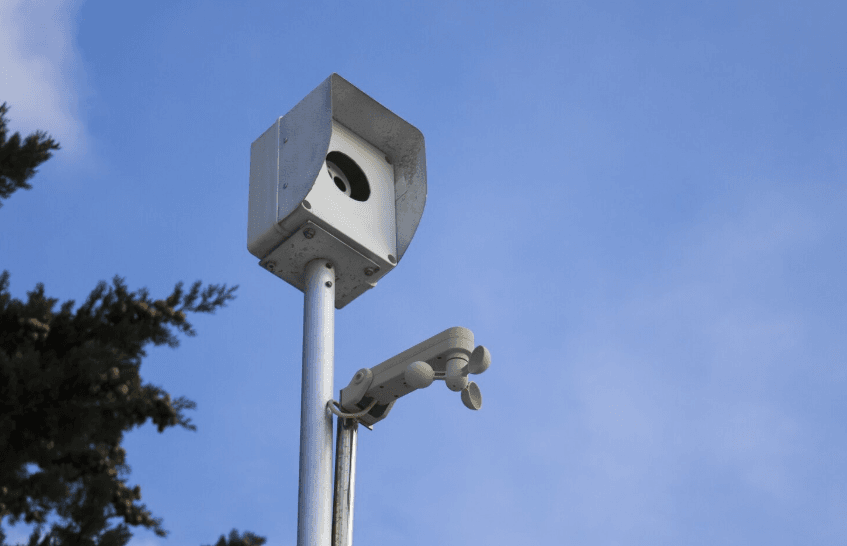
The traffic enforcement network in Dubai is not a monolith. There are various cameras and sensors in this multi-layered system which detect specific violations.
When utilizing the roads, it is important to understand the role of each.
Speed Cameras (Fixed & Mobile)
The fixed type of Dubai speed cameras are the most common, recognizable type.
This involves both mobile and fixed cameras:
- Grey or silver towers are spotted on the highways and main roads; these are fixed cameras. They employ a radar system to monitor the speed of oncoming cars and take a clear picture of a car exceeding the speed buffer. Numerous contemporary cameras can simultaneously monitor multiple lanes in opposite directions.
- The Dubai Police uses mobile radar units in unmarked cars or tripod-mounted at various locations. They are deployed to target specific hotspot areas where speeding is known to occur but where there is no fixed camera present.
The city is using these cameras to enforce speeding laws.
Red-Light Cameras (Signal Violation Sensors)
The cameras at intersections have dual functions. These devices are designed to take photographs of vehicles that cross the stop line after receiving a red light. The automobile traversing through the intersection will be captured in a series of flashes. Many of these units can also act as speed cameras by monitoring traffic speed while approaching or passing through the junction, even on a green light.
Noise Radar Cameras
The Dubai authorities have started deploying acoustic radar cameras in neighborhoods to track loud vehicles like modified sports cars and motorcycles. Any vehicle that exceeds a certain sound level will be caught on devices with microphones. If the car's noise is excessive, the camera will be tripped and the number plate will be captured for a fine.

“Bat Cameras” on School Buses
The "Bat Cameras" were invented for the safety of children and are attached to the stop sign that protrudes from a school bus. The stop arm extends when the bus picks up or drops off children. When a vehicle illegally passes the stopped school bus, it is instantly captured on camera, and the driver receives a hefty fine along with black points.
Lane Violation & Swerving Cameras
These cameras are installed to monitor the discipline of drivers. The system can detect a range of infractions, such as a sudden lane deviation, an improper lane change, driving on the shoulder, and failing to observe lane markings (especially at intersections and exits).
Tailgating Detection Systems
In a bid to curb the hazardous trend of tailgating, authorities have installed radar cameras on primary highways in Dubai. These systems are designed to measure the spacing between successive cars. When a vehicle following another too closely at a certain speed for a prolonged period is detected, a tailgating violation is flagged.
Truck Lane Enforcement Cameras
Cameras will automatically impose a fine on any vehicle found traveling in a lane that is not designated for their use. This can occur on highways that have a special lane for heavy vehicles and buses.
ANPR Plate Recognition Cameras
ANPR cameras in the city are used for much more than traffic violations. The expanded security system includes these cameras, which can assist in identifying cars that are stolen, have outdated registration, or are sought in connection with a crime. They're a vital part of the city's security system.
“Smart AI Cameras” – The Future of Dubai Enforcement
The newest version of Dubai traffic cameras comes equipped with AI technology. These state-of-the-art cameras can detect multiple violations from one device. For example, with just one AI camera, it is able to catch a driver who's speeding, not wearing a seatbelt, and on his mobile phone. The future of city enforcement is here.
Updated Speed Limits in Dubai (2025)
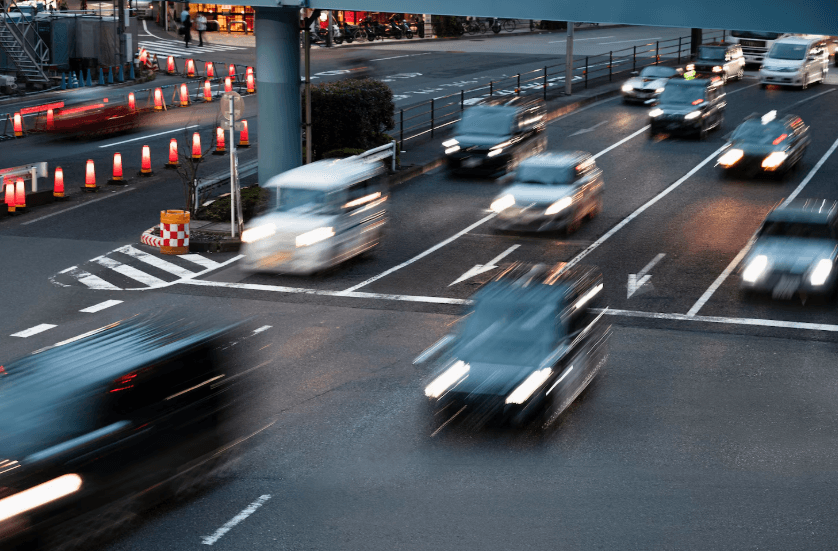
Having knowledge of the speed limits is important. The Dubai system has a "speed buffer" or grace limit, which is typically 20 km/h over the posted sign. A speed of 121 km/h on a road limited to 100 km/h will activate a radar. It is best to always stay within the speed limit.
A general guide to speed limits in Dubai is available:
- The roads in Dubai, such as Sheikh Zayed Road and Al Khail Road, have a speed limit of 100 km/h or 110 km/h (meaning that the radars are set at 121 km/h and 131 km/h). Some other highways may have a limit of 120 km/h.
- In the city, the main road speed limit is usually 80 km/h or 90 km/h.
- The speed limit for streets situated in urban communities generally ranges from 40 km/h to 60 km/h.
- During school hours, the speed limit on the road is brought down to 30 km/h or 40 km/h, and there is no tolerance in these designated zones.
- Areas characterized by heavy pedestrian movement, including Dubai Marina, JBR, and Business Bay, have a speed limit of 50–70 km/h.
Speed limits along the road can change, so always monitor the signs.
Complete List of Fines Related to Camera Violations
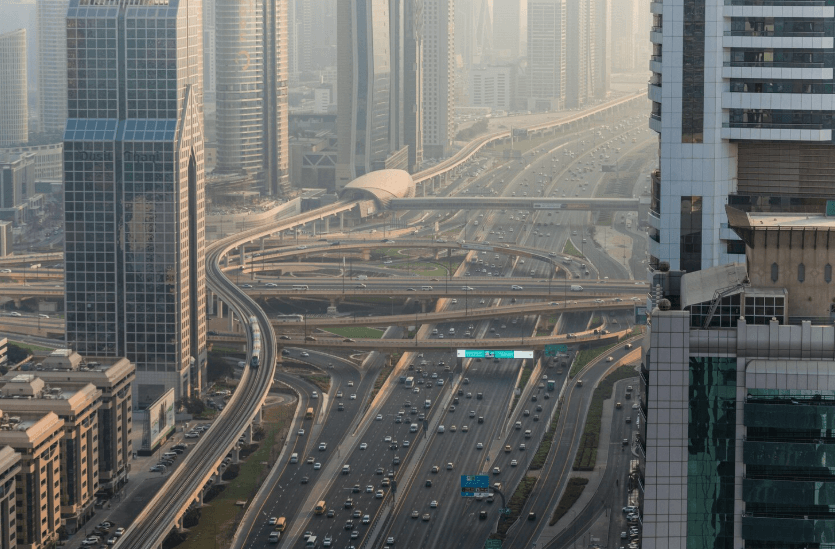
Dubai traffic fines can be hefty and often come with “black points” on the driving license. Your license can be suspended for accumulating 24 black points. In some cases, the vehicle may be impounded.
The most common violations detected by cameras, together with the fine and penalty applicable from 2025, are illustrated in the table below.
| Violation | Fine (AED) | Black Points | Vehicle Impound Period (if applicable) |
|---|---|---|---|
| Speeding (Exceeding limit by > 80 km/h) | 3,000 | 23 | 60 days |
| Speeding (Exceeding limit by > 60 km/h) | 3,000 | 12 | 30 days |
| Speeding (Exceeding limit by < 60 km/h) | 1,500 | 6 | 15 days |
| Speeding (Exceeding limit by < 50 km/h) | 1,000 | 0 | – |
| Speeding (Exceeding limit by < 40 km/h) | 700 | 0 | – |
| Speeding (Exceeding limit by < 30 km/h) | 600 | 0 | – |
| Speeding (Exceeding limit by < 20 km/h) | 300 | 0 | – |
| Jumping a Red Light | 1,000 | 12 | 30 days |
| Tailgating (Not leaving safe distance) | 400 | 4 | – |
| Using a Mobile Phone While Driving | 800 | 4 | – |
| Sudden Swerving / Lane Violation | 1,000 | 4 | – |
| Driving Without a Seatbelt | 400 | 4 | – |
| Noise Violations (Modified Vehicle) | 10,000 | – | Vehicle may be towed |
The strict and automatic enforcement of these fines makes it mandatory to follow the rules for a hassle-free driving experience.
How Radar Cameras Work in Dubai

The speed cameras Dubai uses are mainly based on Doppler radar technology. The device constantly sends a radio wave at the same frequency. The moving vehicle reflects this wave, which returns to the apparatus. The Doppler effect refers to the frequency change in the emitted wave according to the speed of the vehicle. This frequency change is utilized by the camera's internal computer to determine the vehicle's speed.
If the speed is above the set threshold (the limit plus the 20 km/h buffer), then a strong flash and a high-resolution camera activate. A number of shots of the vehicle are taken, showing the registration number, date, time, location, and recorded speed. This information is sent automatically to the central traffic system for action.
Where Are the Most Active Cameras Located in Dubai?
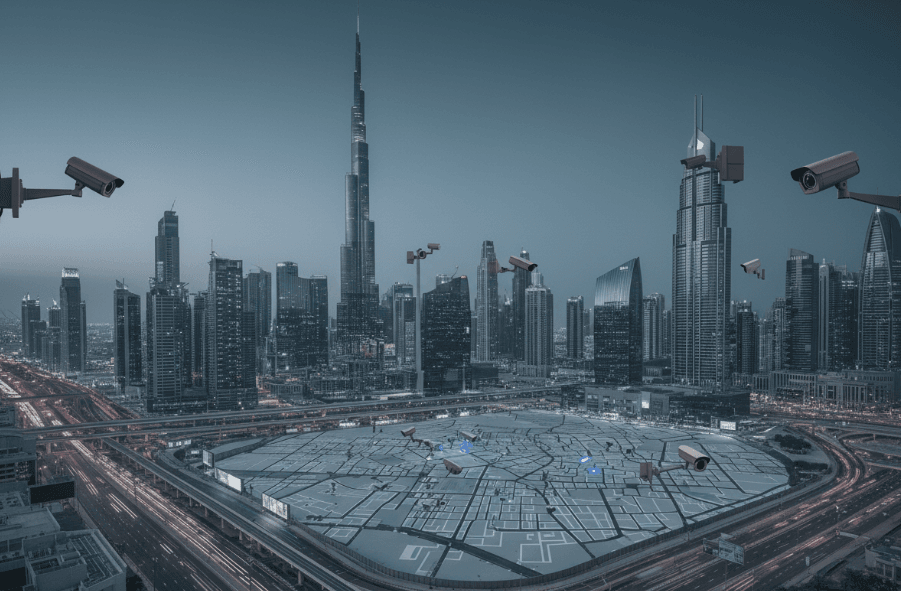
Many cameras are located on all major roads, but the density of enforcement equipment is greater in places with higher traffic volume and higher average speeds.
Cameras are installed in large numbers at these key locations:
- Sheikh Zayed Road (E11), Dubai's main highway, is covered with fixed speed cameras, red-light cameras at main interchanges, and ANPR systems.
- Al Khail Road (E44) & Sheikh Mohammed Bin Zayed Road (E311) have heavy speed radars.
- The road and intersection cameras (red lights & speed) are common around Business Bay & Downtown.
- Dubai Marina and JBR, besides speed cameras, are also prime locations for noise radar cameras.
- In Jumeirah Lakes Towers (JLT), there are red-light cameras installed on junctions.
- Hessa Street has a lot of radar cameras.
A driver should always assume that they are under surveillance on any major road in Dubai.
Driving Tips for Tourists in Dubai
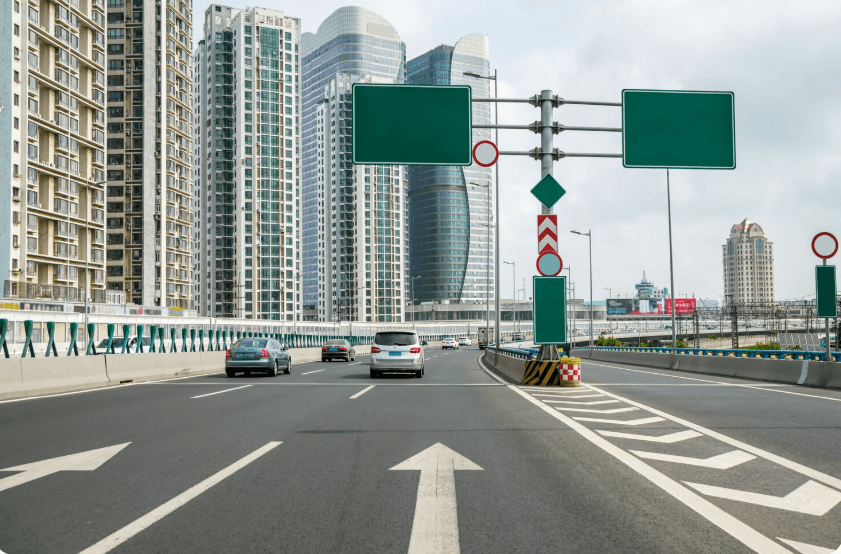
Dubai offers high-quality roads, making driving a fun experience in the emirate. However, tourists need to be alert to the strict enforcement atmosphere.
Check out these essential tips that you should keep in mind:
- Make sure to always check the signs regarding the speed limit.
- Do not tailgate; it is an offense that is being checked.
- Always signal when changing lanes to notify other drivers.
- If you constantly check your phone, you will get caught eventually.
- All major highways employ the auto Salik toll system. To be safe, we include the Salik fees in our rental price anyway.
- It’s always a good idea to pre-plan your parking space to save time and hassle.
- Even though the rules are strict, driving can be fast-paced. Don’t get distracted while driving. It is advisable to review local requirements.
Understanding these things will ensure that you have a safe drive.
Dubai Police AI Enforcement - The Future of Traffic Monitoring

Dubai Police is a global first in using Artificial Intelligence (AI) to monitor traffic. The city-wide "Oyoon" (Eyes) initiative involves the installation of thousands of intelligent surveillance cameras. These smart cameras, in contrast to just monitoring speeding, will also be able to sense traffic jams.
By analyzing a video feed in real-time, various violations may be detected. Offenses include not wearing seatbelts, talking on a mobile phone, not following the lane, and monitoring traffic flow for judgments about traffic density. These offenses can result in automatic fines without the usual radar flash. AI-powered traffic monitoring is the future, where enforcement will be more efficient and widespread than ever.
Conclusion - Why Dubai’s Roads Are Among the Safest in the World
Because of the very advanced network of Dubai traffic cameras, the roads of Dubai are among the safest in the world. This system is not merely a fine collection mechanism but an integral part of a comprehensive approach to ensuring public safety. Thanks to a strong set of rules, as well as their strict enforcement, Dubai has instilled a culture of disciplined and safe driving.
The effect is the product of advanced technology, refined implementation, and a special public safety function. This demonstrates how technology can be leveraged to create safer, more efficient, and more orderly urban environments for residents and the millions who visit each year.
FAQ
How can I check if I have a fine in Dubai?
You can check your Dubai traffic fines using your vehicle plate number or your license details on the Dubai Police website or app, the RTA website, or the Ministry of Interior website.
Are Dubai cameras operational during the night?
Certainly. All speed cameras and radars in Dubai operate 24/7. Their flash is also extremely powerful and can take a clear photo even at night.
Do the speed cameras in Dubai flash?
Most regular speed cameras Dubai employ will flash a light when detecting a violation. Nonetheless, newer “smart” and AI-powered cameras may not flash for every violation.
How strict are the limits on radar?
The controls are extremely stringent and automated. Even though the speed limit has a buffer of 20 km/h, if you exceed the limit by even one km/h, the radar will be activated and you will get a fine.
Are travelers subject to traffic violation tickets?
Certainly. Fines associated with a tourist's rental vehicle will be registered against the respective vehicle. When the rental company is notified, it usually charges the penalty amount from the customer.
Can I dispute a fine?
If you believe a traffic violation was mistakenly issued against you, then yes, there is a procedure to contest it. This is normally done online through the Dubai Police website, where you can submit evidence to support your claim.
Do cameras capture cell phone usage?
Yes, the new generation of AI-powered “smart” cameras can easily catch drivers who are using a mobile phone while driving and can automatically fine the offenders.
Can radar cameras detect the absence of a seatbelt?
Yes, AI-capable cameras can also find out if the driver or the person sitting next to him is not wearing a seatbelt, similar to mobile phone usage, and create a violation.
Recent Articles
- Dubai Road Trip Guide: Best Routes from Dubai
- Best SUV in UAE: Top Picks for 2026
- Dubai Driving Licence Renewal: Complete Guide
- Porsche 911 vs Lamborghini Huracán in Dubai: Which Sportcar Works for Every Day?
- UAE Number Plates Explained: Types, Costs, Colors & How They Work
- Tips for Your First-Time Renting Luxury Car in Dubai
- Dubai Police Luxury Supercar Fleet: What’s Included & Where to See Them